
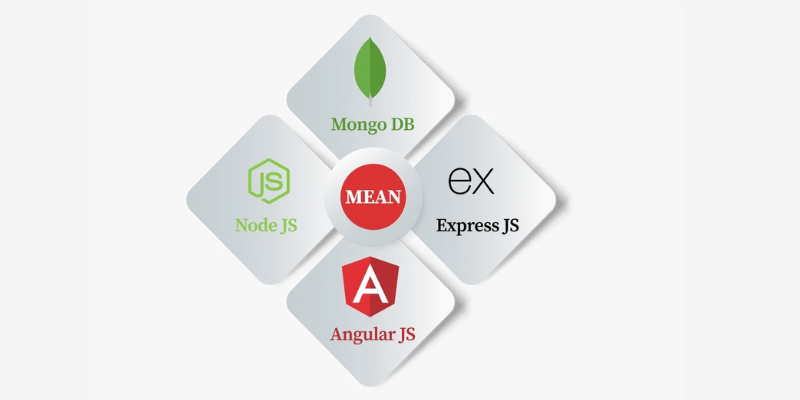
Deploying a MEAN (MongoDB, Express.js, Angular, Node.js) Stack application to a cloud platform is essential for making your application accessible and scalable. Cloud platforms like AWS, Azure, and Heroku offer robust infrastructure and services that simplify deployment processes. Those looking to master these techniques should consider enrolling in FITA Academy‘s reputable MEAN Stack Training in Chennai. Here’s a step-by-step guide to deploying your MEAN Stack application to the cloud:
Prepare Your MEAN Stack Application
Before deployment, ensure your MEAN Stack application is production-ready:
- Build your Angular Frontend: Compile your Angular application using ng build –prod. This generates optimized static files in the dist directory.
- Configure Your Node.js Backend: Ensure your Node.js server is set up to serve the Angular frontend and handle API requests from Express.js.
Set Up MongoDB Database
- Choose a cloud-based MongoDB service (e.g., MongoDB Atlas) or provision a MongoDB instance on your preferred cloud provider. Note down the database connection string, username, and password.
- Choose a cloud platform based on your application requirements and familiarity. For this guide, we’ll use AWS Elastic Beanstalk as an example.
Deploying to AWS Elastic Beanstalk
- Create an Elastic Beanstalk Environment: Log in to the AWS Management Console, navigate to Elastic Beanstalk, and create a new environment for your application. Enroll in a respected online MEAN Stack Online Training program to become proficient in caching mechanisms and optimizing performance.
- Upload Your Application: Upload your application files, including the dist folder containing your Angular frontend and Node.js backend code.
- Configure Environment Variables: Set environment variables such as database connection strings and any other configuration needed for your application.
- Deploy Your Application: Initiate the deployment process from the AWS Management Console or using the AWS CLI (eb deploy). Elastic Beanstalk handles the deployment, including provisioning necessary resources like EC2 instances, load balancers, and auto-scaling configurations.
Monitor and Scale
- Once deployed, monitor your application’s performance using AWS CloudWatch or other monitoring tools. Configure auto-scaling policies to automatically adjust resources based on traffic patterns.
- Implement continuous integration and deployment (CI/CD) pipelines using tools like AWS CodePipeline or Jenkins. This automates the deployment process whenever new changes are pushed to your source code repository.
Security and Maintenance
Ensure your cloud deployment follows best security practices. Use HTTPS for secure communication, implement firewall rules, and regularly update dependencies and libraries. Consider enrolling in a Training Institute in Chennai to master the development and scaling of MEAN stack applications.
Deploying a MEAN Stack application to a cloud platform like AWS Elastic Beanstalk streamlines the process of making your application accessible globally, scalable, and resilient to traffic spikes. By following these steps, you can effectively deploy your MEAN Stack application and leverage the cloud’s benefits for modern web development. By following these steps, you can effectively deploy your MEAN Stack application and leverage the cloud’s benefits for modern web development.